Best of
The Best Fitness Trackers (2026)
The best fitness trackers for 2026, researched across heart-rate accuracy, battery life, GPS, and sleep tracking. Fitbit, Garmin, Xiaomi, and Amazfit picks.
Our top picks at a glance
The Fitbit Charge 6 is the best fitness tracker for most people, with ECG, built-in GPS, and the best sleep tracking in the category. Athletes should get the Garmin Vivosmart 5 for training metrics and reliable GPS. If battery life matters most, the Xiaomi Smart Band 8 runs two weeks per charge. On a budget, the Amazfit Band 7 packs Alexa and 18-day battery for very little.
The picks, ranked
| Pick | Sensors | GPS | Battery | Buy |
|---|---|---|---|---|
 Best overallFitbit Charge 6 | ECG, SpO2, skin temp, HR | Built-in | 7 days rated | Check price |
 Best for athletesGarmin Vivosmart 5 | — | Connected (phone) | 7 days rated | Check price |
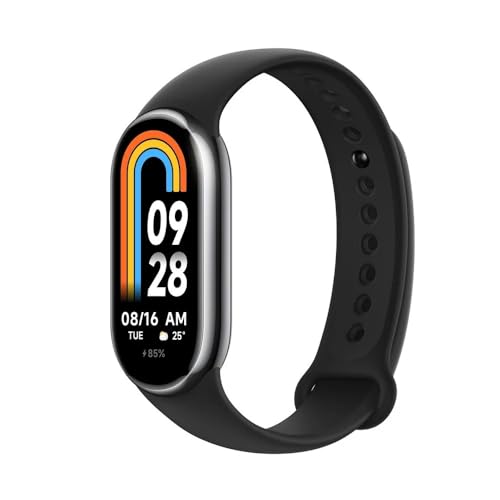 Best battery lifeXiaomi Smart Band 8 | — | — | 14 days rated | Check price |
 Best budgetAmazfit Band 7 | — | Built-in | 18 days rated | Check price |
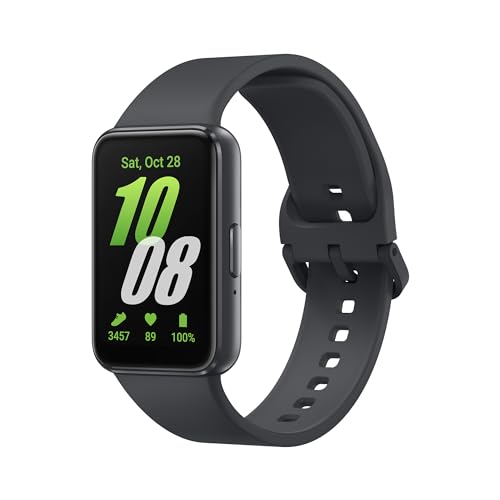 Best Samsung pickSamsung Galaxy Fit3 | — | — | Up to 13 days | Check price |
 Best for beginnersFitbit Inspire 3 | HR, SpO2 | Connected (phone) | Up to 10 days | Check price |
 Best watch-style trackerGarmin Vivoactive 5 | — | Built-in | Up to 11 days | Check price |
 Best for recovery dataWHOOP 4.0 | — | — | Up to 5 days | Check price |
 Best budget GPSAmazfit GTS 4 Mini | — | Built-in | Up to 15 days | Check price |
 Best guided trainingPolar Ignite 3 | — | Built-in | Up to 5 days | Check price |
Best overall
Fitbit Charge 6
The deepest health metrics in a slim band.
Strengths
- ECG, SpO2, and skin temperature in one band
- Best-in-class sleep staging and Sleep Score
- Built-in GPS with phone-free runs
Limitations
- Best insights require Fitbit Premium subscription
- 7-day battery is shortest here
- Google integrations favor Android over iPhone
What owners report
Commonly praised
- Accurate heart rate with Google Maps and Wallet built in
- Slim, comfortable band for sleep tracking
- Several days of battery for most users
Common complaints
- Some owners report erratic battery readings or charging failures
- Syncing glitches come up repeatedly
- The band clasp feels less secure than earlier models
Recurring themes from owner reviews on retailers and forums, summarised by our editors. Updated October 2026.
| Sensors | ECG, SpO2, skin temp, HR |
|---|---|
| GPS | Built-in |
| Battery | 7 days rated |
| Water resistance | 5ATM |
Best for: Health-focused users who want ECG and the best sleep tracking.
Skip if: You refuse subscription fees or train primarily by power metrics.
Best for athletes
Garmin Vivosmart 5
Training metrics with zero subscription.
Strengths
- Body Battery and training load with no paywall
- Reliable GPS via phone connection
- Larger display than its predecessor
Limitations
- No built-in GPS
- No ECG sensor
- Plainer app experience than Fitbit
What owners report
Commonly praised
- Lightweight with long battery life
- Strong sleep and Body Battery insights
- Accurate heart rate for everyday tracking
Common complaints
- Phone connectivity drops for some owners
- Step counts run high for some users
- A rare report of the module detaching from the band
Recurring themes from owner reviews on retailers and forums, summarised by our editors. Updated October 2026.
| GPS | Connected (phone) |
|---|---|
| Battery | 7 days rated |
| Metrics | Body Battery, fitness age, VO2 max est. |
| Water resistance | 5ATM |
Best for: Runners and data-driven athletes who train by metrics.
Skip if: You want ECG or run without your phone.
Best battery life
Xiaomi Smart Band 8
Two-week battery with a flagship-grade display.
Strengths
- 1.62-inch AMOLED, best display per dollar
- 14-day real-world battery life
- 150-plus sport modes
Limitations
- No ECG or advanced readiness metrics
- Thinner third-party integrations
- Mi Fitness app is functional, not beautiful
What owners report
Commonly praised
- Exceptional value for the price
- Up to two weeks of battery
- Bright display and swappable straps
Common complaints
- No built-in GPS or NFC on the standard model
- Workout tracking accuracy is inconsistent
- Some find the clasp opens too easily
Recurring themes from owner reviews on retailers and forums, summarised by our editors. Updated October 2026.
| Display | 1.62" AMOLED |
|---|---|
| Battery | 14 days rated |
| Sport modes | 150+ |
| Water resistance | 5ATM |
Best for: Budget buyers who want the essentials done well.
Skip if: You need ECG or advanced training analytics.
Best budget
Amazfit Band 7
Alexa and 18-day battery for very little.
Strengths
- Built-in Alexa voice assistant
- 18-day battery, longest here
- 120 sport modes with built-in GPS
Limitations
- Display dimmer than Xiaomi's
- No ECG
- Zepp app less polished than rivals
What owners report
Commonly praised
- Long battery life of a week or more
- Bright AMOLED screen at a low price
- Tracks many sports and health metrics
Common complaints
- The touchscreen can react to water and fabric
- Heart rate and sleep tracking can be inconsistent
- Support is slow to respond
Recurring themes from owner reviews on retailers and forums, summarised by our editors. Updated October 2026.
| Display | 1.47" AMOLED |
|---|---|
| Battery | 18 days rated |
| GPS | Built-in |
| Assistant | Alexa built-in |
Best for: Buyers who want maximum features per dollar.
Skip if: You want the sharpest display or ECG.
Best Samsung pick
Samsung Galaxy Fit3
A big AMOLED screen and 13-day battery for Samsung users.
The Galaxy Fit3 pairs a 1.6-inch AMOLED, the biggest screen in the budget class, with up to 13 days of battery and an aluminum body rated 5ATM and IP68. It skips built-in GPS, but for Samsung owners who track with their phone nearby, it is the polished budget default.
Strengths
- 1.6-inch AMOLED display, the largest screen in the budget class
- Up to 13 days of battery per charge
- Aluminum body with 5ATM and IP68 ratings
Limitations
- No built-in GPS; relies on connected phone
- No ECG or advanced running analytics
- Best features pair with Samsung phones
What owners report
Commonly praised
- Large, bright screen for a fitness band
- Long battery life
- Integrates well with Samsung phones
Common complaints
- Some owners report workouts not syncing to Samsung Health
- It does not work with iPhones
- Bugs have occasionally wiped daily step data
Recurring themes from owner reviews on retailers and forums, summarised by our editors. Updated October 2026.
| Display | 1.6" AMOLED |
|---|---|
| Battery | Up to 13 days |
| Water resistance | 5ATM + IP68 |
| Workout modes | 100+ |
Best for: Samsung phone owners who want a simple, long-lasting tracker.
Skip if: You need built-in GPS or advanced training metrics.
Best for beginners
Fitbit Inspire 3
Fitbit's simplest band: 10-day battery and solid sleep tracking.
The Inspire 3 is the gentlest on-ramp to Fitbit: 10-day battery, SpO2 and heart-rate sensing, and Fitbit's sleep scoring in the slimmest body here. No GPS and a small screen keep expectations honest, but nothing teaches tracking habits more comfortably.
Strengths
- Up to 10 days of battery life
- SpO2 and continuous heart-rate monitoring
- Fitbit's sleep score and 20-plus exercise modes
Limitations
- No built-in GPS
- Small display
- Some insights sit behind Fitbit Premium
What owners report
Commonly praised
- Slim, comfortable band with a colour screen
- Good battery life
- Simple step and sleep tracking
Common complaints
- Syncing failures with the app are a common complaint
- Some owners report battery life dropping over time
- Many detailed features need a paid subscription
Recurring themes from owner reviews on retailers and forums, summarised by our editors. Updated October 2026.
| Battery | Up to 10 days |
|---|---|
| GPS | Connected (phone) |
| Water resistance | 5ATM |
| Sensors | HR, SpO2 |
Best for: First-time tracker buyers who want Fitbit's app and sleep data.
Skip if: You need GPS or a bigger display.
Best watch-style tracker
Garmin Vivoactive 5
A proper GPS sports watch with an AMOLED screen.
The Vivoactive 5 is for buyers who want a real watch: a 1.2-inch always-on AMOLED, built-in GPS, and up to 11 days of battery, plus Body Battery and Sleep Coach. It is bigger than any band here, but the screen and GPS justify the wrist real estate.
Strengths
- 1.2-inch AMOLED always-on display
- Up to 11 days battery in smartwatch mode
- Built-in GPS with Body Battery and Sleep Coach
Limitations
- Larger and heavier than band trackers
- No ECG sensor
- Touchscreen can be fiddly mid-workout
What owners report
Commonly praised
- Accurate GPS and a wide range of sports profiles
- Bright AMOLED screen
- No subscription needed for health insights
Common complaints
- Some software updates have caused battery drain
- A few owners report the screen going black
- No barometric altimeter
Recurring themes from owner reviews on retailers and forums, summarised by our editors. Updated October 2026.
| Display | 1.2" AMOLED |
|---|---|
| Battery | Up to 11 days |
| GPS | Built-in |
| Water resistance | 5ATM |
Best for: Buyers who want a watch form factor with Garmin's training data.
Skip if: You prefer a slim band or need ECG.
Best for recovery data
WHOOP 4.0
Screenless recovery coaching for training nerds.
WHOOP 4.0 ditches the screen entirely and bets everything on recovery, sleep, and strain scoring, with a 5-day battery that charges on-wrist. The subscription model is the catch, but athletes who train by recovery scores will not find a more focused tool.
Strengths
- Recovery, sleep, and strain scores tuned for athletes
- 5-day battery with on-wrist charging
- No screen means zero distractions
Limitations
- Subscription required; hardware is effectively rented
- No display or GPS without your phone
- No step goal or casual fitness framing
What owners report
Commonly praised
- Detailed recovery and strain insights
- Screenless band that is comfortable to wear all day
- Charges on the wrist with a battery pack
Common complaints
- Requires an ongoing subscription
- Customer service and cancellation are often criticised
- Some owners report units failing or draining quickly
Recurring themes from owner reviews on retailers and forums, summarised by our editors. Updated October 2026.
| Battery | Up to 5 days |
|---|---|
| Display | None (screenless) |
| Scores | Recovery, sleep, strain |
| Water resistance | IP68 |
Best for: Athletes who want strain, sleep, and recovery scores without a screen.
Skip if: You want a display or refuse a subscription.
Best budget GPS
Amazfit GTS 4 Mini
A tiny GPS watch with 15-day battery.
The GTS 4 Mini squeezes built-in GPS, a 1.65-inch AMOLED, Alexa, and up to 15 days of battery into a 31.5g body for very little money. The screen is small and analytics are basic, but no cheaper tracker navigates a run phone-free.
Strengths
- Built-in GPS in a 31.5g body
- Up to 15 days of typical battery life
- 1.65-inch AMOLED display with Alexa built in
Limitations
- Small 1.65-inch screen
- No advanced training load analytics
- Zepp app less polished than rivals
What owners report
Commonly praised
- Light, compact smartwatch at a low price
- Long battery life
- Accurate GPS for the money
Common complaints
- Limited smartwatch features, with no notification replies
- The screen can register water droplets as taps
- Third-party app support is thin
Recurring themes from owner reviews on retailers and forums, summarised by our editors. Updated October 2026.
| Display | 1.65" AMOLED |
|---|---|
| Battery | Up to 15 days |
| GPS | Built-in |
| Assistant | Alexa built-in |
Best for: Buyers who want built-in GPS and Alexa for very little.
Skip if: You want a bigger screen or advanced metrics.
Best guided training
Polar Ignite 3
Guided daily workouts with Polar's training science.
The Ignite 3 stands out for FitSpark, which prescribes daily workouts matched to your recovery, and Nightly Recharge, which measures how well you bounced back. With built-in GPS and a 1.28-inch AMOLED, it is the thinking runner's mid-range pick, though 5-day battery trails Garmin.
Strengths
- FitSpark daily training guide adapts to recovery
- Nightly Recharge recovery measurement
- 1.28-inch AMOLED touchscreen with built-in GPS
Limitations
- Around 5 days battery, less than Garmin rivals
- Polar Flow app has a learning curve
- No music storage
What owners report
Commonly praised
- Excellent sleep and recovery tracking
- Bright AMOLED display
- Good training guidance
Common complaints
- The interface can feel laggy
- Battery life drops sharply with the always-on display
- Expensive for the smart features offered
Recurring themes from owner reviews on retailers and forums, summarised by our editors. Updated October 2026.
| Display | 1.28" AMOLED |
|---|---|
| Battery | Up to 5 days |
| GPS | Built-in |
| Water resistance | 5ATM |
Best for: Runners who want adaptive daily workout guidance.
Skip if: You want the longest battery or a slim band.
How we chose
We evaluated trackers on four pillars. Heart-rate accuracy matters because every calorie and zone estimate derives from it; we weighed optical sensor generations and owner comparisons against chest straps. Battery life was judged on real-world always-on display and GPS use, not airplane-mode best cases. GPS was split into built-in versus phone-tethered, since runners without phones need the former. Sleep tracking was judged on stage detail and consistency, where Fitbit's algorithms remain the reference.
Questions, answered
Are fitness trackers accurate?
Heart-rate tracking is good during steady activity and weaker during rapid interval changes. Step counts are reliable. Calorie estimates are rough across all brands and should be treated as trends, not truth.
Do I need built-in GPS?
Only if you run or cycle without your phone. Phone-tethered GPS is equally accurate and saves battery; built-in GPS is a freedom feature, not an accuracy one.
Can a fitness tracker replace a smartwatch?
For health tracking, yes, and with far better battery life. You give up apps, calls, and rich notifications. Many athletes wear a tracker for training and leave the smartwatch behind.
How long do fitness tracker batteries really last?
Xiaomi and Amazfit bands genuinely last 10 to 18 days with normal use. Fitbit and Garmin last 5 to 7 days. Always-on displays and frequent GPS sessions cut all of these roughly in half.